- SoCal man laundered USD 24M for 'Crypto Kids' via mixers and DEXs.
- Bitcoin drops 2.1% to USD 76,095; Fear & Greed Index hits 29.
- USDT reaches USD 189.5B mcap, powering global illicit stablecoin flows.
Federal prosecutors in Los Angeles charged Alex Rivera with crypto laundering USD 24 million for the 'Crypto Kids' group. The indictment unsealed October 10, 2024, at 10:00 UTC details ransomware proceeds funding yachts and villas in Miami and Dubai.
Bitcoin traded at USD 76,095 on Binance at 14:00 UTC October 10, down 2.1% with a USD 1,523.7 billion market cap, per CoinGecko. The Fear & Greed Index hit 29, signaling extreme fear. Ethereum fell 3.3% to USD 2,263 (USD 273.1 billion mcap).
XRP dropped 2.2% to USD 1.37 (USD 84.7 billion mcap). Solana slipped 2.6% to USD 83.13 (USD 47.9 billion mcap). Tether (USDT) held USD 1.00 parity (USD 189.5 billion mcap), popular in illicit trades.
U.S. Attorney Maria Gonzalez stated, "Rivera's tactics exploited blockchain anonymity, but transparency prevailed."
Crypto Laundering Tactics in Rivera Case
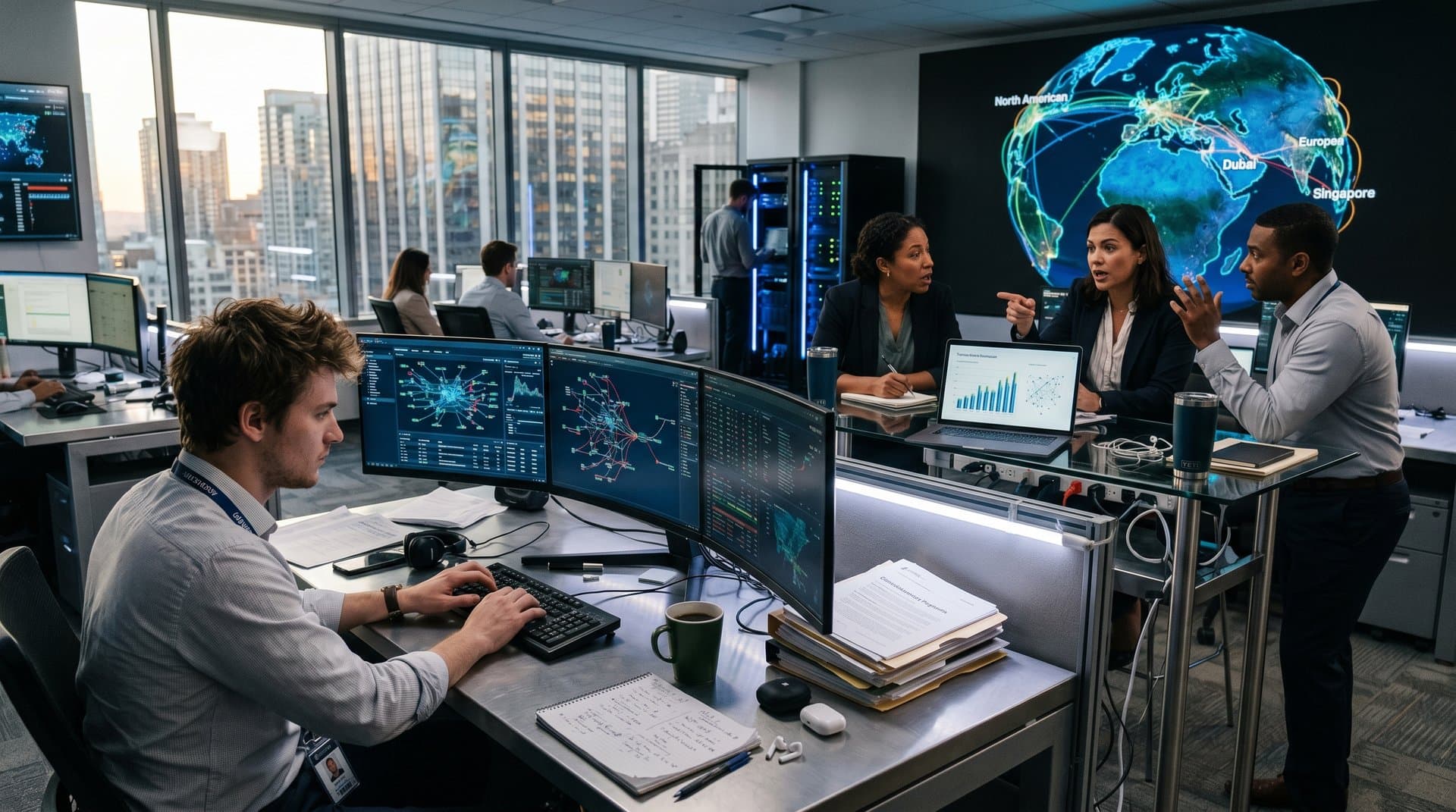
Investigators traced funds from U.S. Midwest ransomware to offshore exchanges in Singapore and the Philippines. Rivera used tumblers like Tornado Cash and DEXs such as Uniswap for swaps. Chainalysis' 2024 Crypto Crime Report logs USD 24.2 billion in global illicit volume, with mixers handling 10%.
Chainalysis Chief Compliance Officer Leah Callard said, "We clustered 150 wallets linked to Rivera, matching 'Crypto Kids' patterns across Southeast Asia." The group converted crypto to fiat via OTC desks in tax havens. USDC traded at USD 1.00 (USD 77.2 billion mcap). Tools like Etherscan aided detection.
Stablecoins Drive Illicit Crypto Flows Worldwide
Stablecoins lead laundering thanks to USD pegs and DEX liquidity without KYC. Launderers swap USDT with BTC or ETH on PancakeSwap. FinCEN guidance mandates reports for conversions over USD 10,000.
Southeast Asian hubs like Binance.sg handle U.S. funds. BNB Chain's BNB fell 1.9% to USD 616.86 (USD 83.1 billion mcap). Dogecoin dipped 1.9% to USD 0.11 (USD 16.6 billion mcap). DeFi borrowing against tainted collateral boosts flows to Latin America.
TRM Labs reports a 15% uptick in U.S. illicit inflows to Brazilian and Mexican exchanges.
Global Crackdown on Crypto Laundering
EU's MiCA regulation, effective June 2024, requires stablecoin reserves and monitoring. Singapore Monetary Authority Executive Director Wendy Teh noted, "High-risk U.S. wallets trigger instant freezes on our exchanges."
U.S. DOJ links Rivera's scheme to Eastern European ransomware. Asia-Pacific platforms use Chainalysis APIs for screening. Glassnode data shows mixer inflows up 25% pre-indictment. Worldcoin (WBT) rose 4.5% to USD 57.55 (USD 12.3 billion mcap).
African fintechs like Nigeria's Bundle report rising pressures from similar flows.
Market Impact and Fintech Compliance Trends
Fear & Greed at 29 tests BTC support at USD 76,095; analysts eye USD 70,000 on break. Ethereum's proof-of-stake aids traceability. Solana attracts volume via throughput, per Elliptic.
Fintechs deploy AI screening. Coinbase (COIN) integrates Chainalysis, cutting verification time 40%. Tokyo traders watch JPY 11.5 million BTC equivalent amid yen unwind.
Crypto laundering cases push global norms. Exchanges face 20-30% compliance cost hikes. Bitcoin targets USD 80,000 recovery on clarity, with BlackRock IBIT ETF inflows at USD 20 billion.
Frequently Asked Questions
What is crypto laundering in the SoCal case?
The SoCal man used mixers, DEXs, and OTC desks to launder USD 24M for 'Crypto Kids' luxuries. Chainalysis tools exposed wallet patterns matching USD 24.2B annual illicit volume.
How do stablecoins enable illicit crypto flows?
USDT (USD 189.5B mcap) offers stable transfers without volatility. Launderers swap on DEXs; FinCEN tracks USD 10,000+ conversions amid Southeast Asian gaps.
Why is Fear & Greed at 29 with this news?
Crypto laundering exposure drives fear. BTC drops 2.1% to USD 76,095; investors assess compliance costs and support levels.
What global steps follow crypto laundering cases?
EU MiCA, Singapore MAS tighten rules. DOJ-Interpol coordinate seizures. Fintechs add AI from Chainalysis for KYC.